
1.9 million NEURONS die per minute in stroke

Time is brain
Time is brain
What causes a stroke?
Ischemic strokes result from a blockage that develops suddenly in blood vessels that supply the brain. These blockages can form when:
-
Fatty deposits build up inside vessels
-
Clots form in the heart and travel to the brain
-
An acute injury (e.g. dissection) creates clots
The brain is a highly sensitive organ and requires a continuous supply of oxygen. When a clot interrupts blood flow, brain cells begin to die within minutes.
Timely diagnosis and urgent treatment are critical for the patient to have the best chance of functional recovery.
Stroke risk factors
Lifestyle Risk Factors
-
Obesity or being overweight
-
Physical inactivity
-
Heavy alcohol use
-
Smoking or secondhand smoke exposure
-
Illegal drug use
Medical Risk Factors
-
High blood pressure
-
High cholesterol
-
Diabetes
-
Heart disease or irregular rhythm (a-fib)
-
Obstructive sleep apnea
-
Family history of stroke or heart attack
-
COVID-19 infection

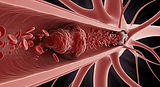
What are clots?
Blood clots differ in structure and composition:
-
Fresh clots (rich in red blood cells)
-
Mixed clots
-
Organized clots (fibrin-rich)
Because clot type affects how well treatments work, modern stroke systems must be capable of handling multiple clot morphologies while minimizing the risk of clot fragments breaking off and causing further harm.
How are strokes treated?
Pre-hospital
assessment

-
Assessment: BE FAST
-
Recognition of stroke type (bleed vs. block)
-
Stroke centre transfer
Emergency Department

-
Imaging and functional tests inform treatment
-
Thrombolysis within ideal treatment window
Inter-hospital transfer

-
Some patients require transfer to specialized stroke centres for intervention

Treatment options

Thrombolysis
-
Infusion of drugs (e.g. alteplase, tenecteplase) to dissolve clots.
-
Most effective within first 4 hours after a stroke.
-
Limited by time windows and clot characteristics.
-
High risk of intracranial bleeding and brain hemorrhage.
Treatment options
Thrombectomy
-
Uses specialized devices to access, engage and remove clots.
-
Proven efficacy via randomized controlled trials.
-
Standard of care for large-vessel (LVO) strokes.
-
Gaining evidence for other strokes (e.g. MeVO).
Treatment options

Effective treatment
-
Restoration of blood flow to the brain.
-
Speed of reperfusion (faster is better).
-
Number of attempts (fewer is better).
